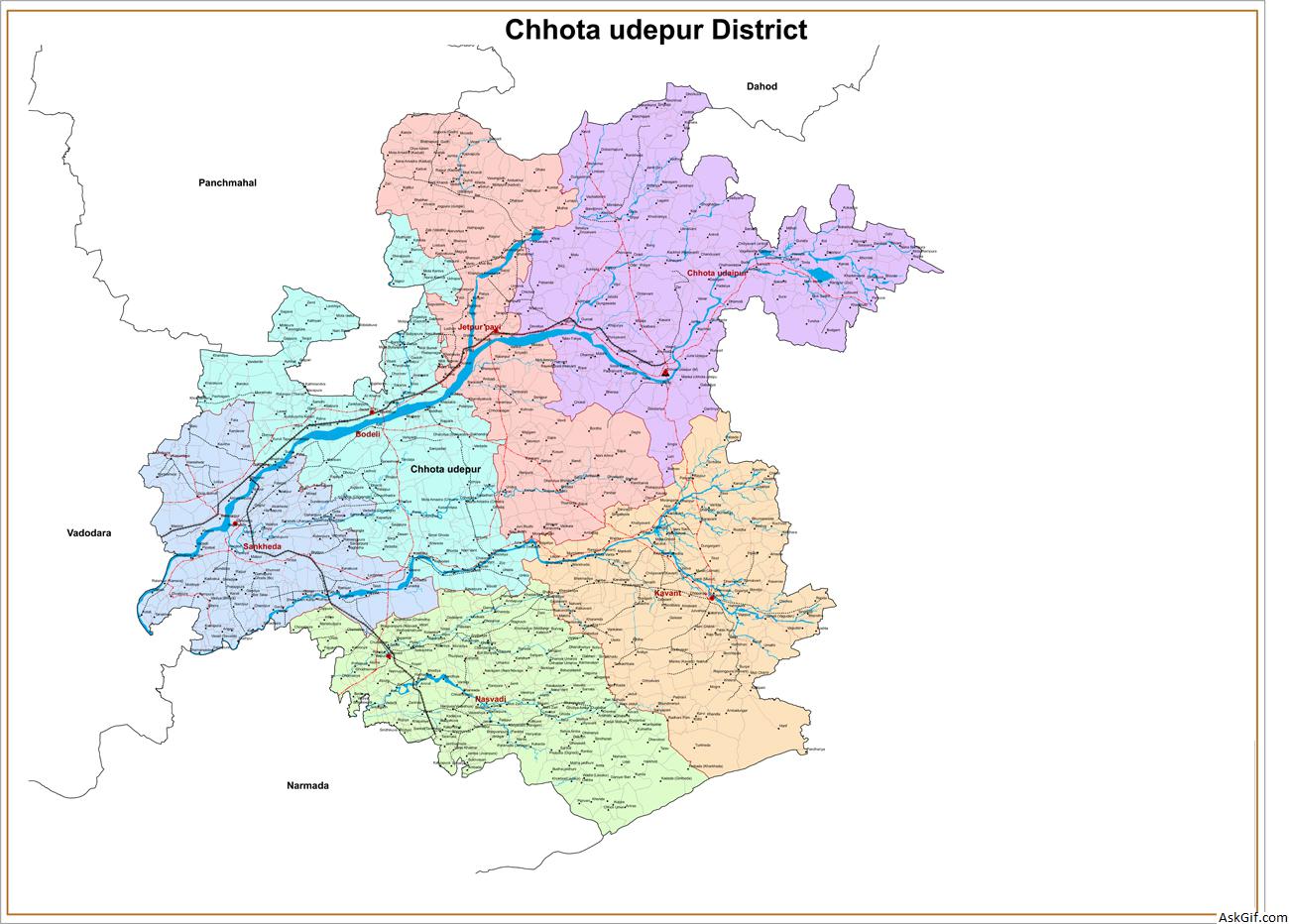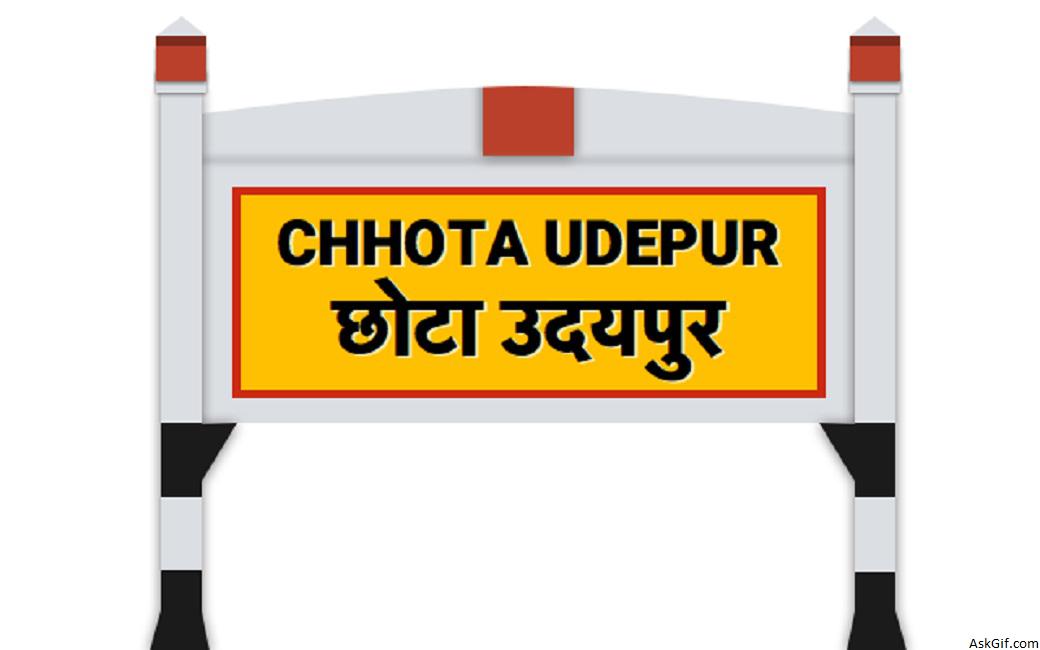
Chhota Udaipur is a city and a municipality in Chhota Udaipur district in the state of Gujarat, India. It is the headquarters of Chhota Udaipur district.
Chhota Udaipur district (also Chhota Udepur district) is a district in the state of Gujarat in India. It was carved out of the Vadodara district on 26 January 2013 with its headquarters at Chhota Udaipur town and is the 28th district of Gujarat.
Culture
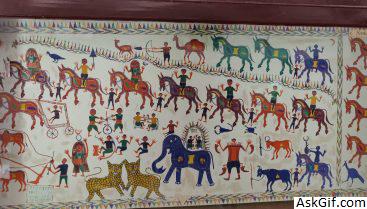
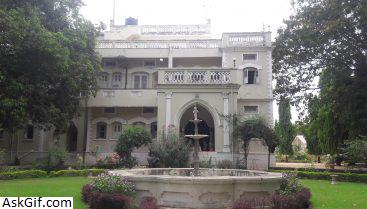
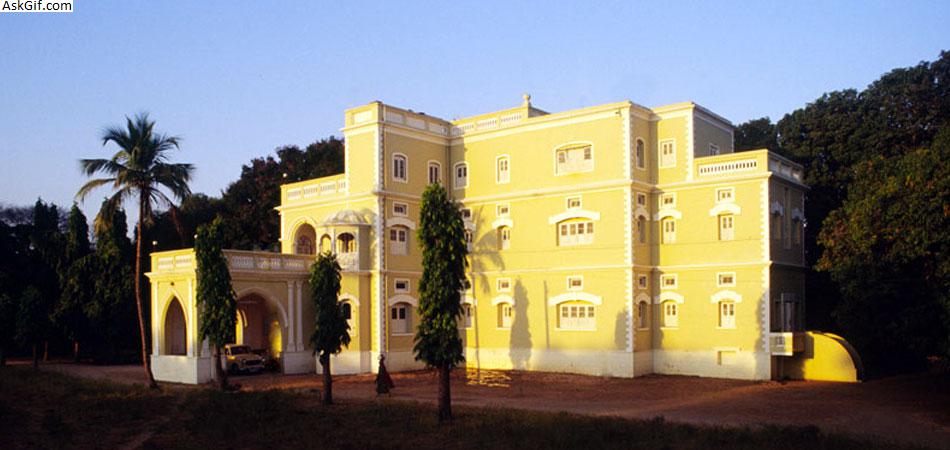
The Kali Niketan (Nahar Mahal) palace, built as the summer residence of the erstwhile royal family is a notable monument in Chhota Udaipur. Chhota Udaipur is also known for the Rathwas in and around the city. The Rathwas are known for Pithora painting, usually carried out on the walls of the village houses. The tribal museum of Chhota Udaipur has a large collection of tribal artefacts. Many tribal artefacts are also brought for sale in the hats (weekly markets) in the city and nearby villages. Industries in largest dolomite lums and powder.
Description
Chhota Udaipur is a tribal dominated district and the district headquarters is located 110 km away from Vadodara. It shares its borders with the state of Madhya Pradesh. Chhota Udaipur is the third tribal dominated district in eastern Gujarat after the Narmada and Tapi districts.
Chhota Udaipur district has a forest area of 75,704 hectares and has deposits of dolomite, fluorite, granite and sand all of which are mined. The district is also home to a large dairy industry. The Rathwa tribals who live here produce the Pithora mural paintings by mixing colours with liquour and milk and then using it to depict intricate motifs and scenes on the walls of their village dwellings.
Chhota Udaipur, once a princely state of Gujarat lies in the heart of a tribal area with rich indigenous history and culture which is more representative of the region than palaces. The town is a good base from which to explore the surrounding tribal villages, particularly in the Rathwa communities. The Tribal Museum here displays a nice collection of people and culture of this place. Every Saturday there is a tribal market which is a hub for local artisans making pithoda paintings and terracotta horses.
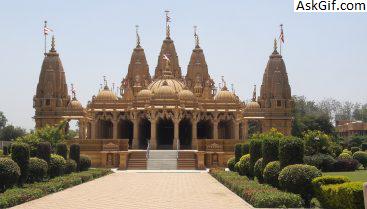
Chhota Udaipur sits on the edge of a big lake, with a series of temples along the skyline. Structures from the 1920s such as the Kusum Vilas Palace (now a heritage hotel) and Prem Bhavan are also worth visiting, though they need permission from the local royal family. The Kali Niketan (Nahar Mahal) palace, built as the summer residence of the erstwhile royal family is a notable monument in Chhota Udaipur. The Jain temple is an interesting example of the influence of Victorian art on local building styles, which is otherwise rare display in traditional Jain buildings elsewhere.
History
Chhota Udaipur State Coat of Arms
Main article: Chhota Udaipur State
Chhota Udaipur was the capital of the erstwhile Princely State of Chhota Udaipur, founded in 1743 by Rawal Udeysinhji, a descendant of Patai Rawal of Champaner. This state was a First class state under Rewa Kantha Agency and merged with the Union of India on 10 March 1948.
Rulers (title Maharaja Maharawal)
1762 – 1771 Arsisinhji
1771 – 1777 Hamirsinhji II
1777 – 1822 Bhimsinhji
1822 – 1851 Gumansinhji
1851 – 1881 Jitsinhji
1881 – 1895 Motisinhji
1895 – 29 Aug 1923 Fatehsinhji (b. 1884 – d. 1923)
29 Aug 1923 – 15 Oct 1946 Natwarsinhji Fatehsinhji (b. 1906 – d. 1946)
15 Oct 1946 – 15 Aug 1947 Virendrasinhji (b. 1907- d. 27 June 2005)
source: https://en.wikipedia.org/wiki/Chhota_Udaipur