Patna is the capital and largest city of the state of Bihar in India. Patna is the second-largest city in eastern India after Kolkata.[9][page needed]It had an estimated city population of 1.68 million in 2011, making it the 19th largest city in India. With over 2 million people, its urban agglomeration is the 18th largest in India. Patna also serves as the seat of Patna High Court.
One of the oldest continuously inhabited places in the world, Patna was founded in 490 BCE by the king of Magadha. Ancient Patna, known as Pataliputra, was the capital of the Magadha Empire under the Haryanka, Nanda, Mauryan, Shunga, Gupta and Pala empires. Pataliputra was a seat of learning and fine arts. Patliputra was home to many astronomers and scholars including Aryabhata, Vātsyāyana,and Chanakya . Its population during the Maurya period (around 300 BCE) was about 400,000. Patna served as the seat of power, political and cultural centre of Indian subcontinent during the Maurya and Gupta empires. With the fall of Gupta Empire, Patna lost its glory. It was revived again in the 17th century by the British as a centre of international trade. Following the partition of Bengal presidency in 1912, Patna became the capital of Bihar and Orissa Province.
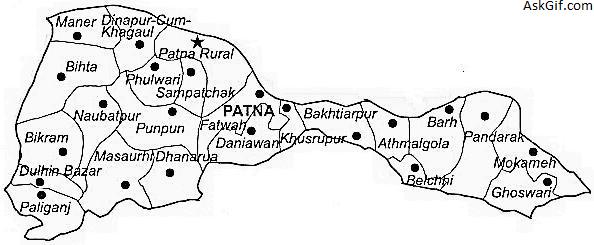
The modern city of Patna is situated on the southern bank of river Ganges. The city also straddles the rivers Sone, Gandak and Punpun. The city is approximately 35 kilometres (22 mi) in length and 16 to 18 kilometres (9.9 to 11.2 mi) wide. In June 2009, the World Bank ranked Patna second in India (after Delhi) for ease of starting a business. As of 2015, Patna's per capita gross domestic product is ₹1,06,000 ($1581). Using figures for assumed average annual growth, Patna is the 21st fastest growing city in the world and 5th fastest growing city in India according to a study by the City Mayors Foundation. Patna registered an average annual growth of 3.72% during 2006–2010.
The Buddhist, Hindu, and Jain pilgrimage centres of Vaishali, Rajgir, Nalanda, Bodh Gaya, and Pawapuri are nearby and Patna City is also a sacred city for Sikhs as the tenth Sikh Guru, Guru Gobind Singh, was born here.
Patna is home to many tourist attractions and it saw about 2.4 million tourists (including day visitors) in 2005. Tourists visiting the city accounted for 41% of the total number of tourists visiting Bihar although Bodh Gaya was the most popular destination for foreign visitors.
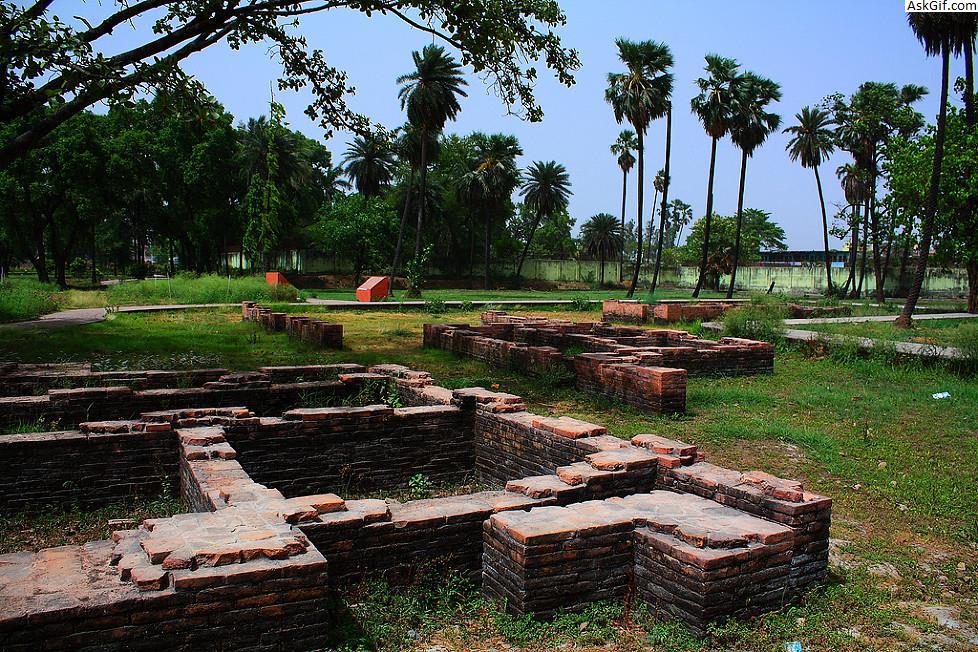
The cultural heritage of Bihar is reflected in its many ancient monuments. Kumhrar and Agam Kuan are the sites of the ruins of the Ashokan Pataliputra. Didarganj Yakshi remains as an example of Mauryan art.
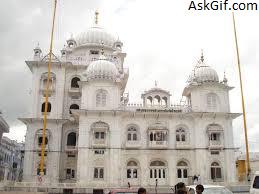
Takht Sri Patna Sahib is one of the Five Takhts of Sikhism and consecrates the birthplace of the tenth Guru of the Sikhs, Gobind Singh. There are five other Gurdwaras in Patna which are related to different Sikh Gurus; these are Gurdwara Pahila Bara, Gurdwara Gobind Ghat, Gurdwara Guru ka Bagh, Gurdwara Bal Leela and Gurdwara Handi Sahib.
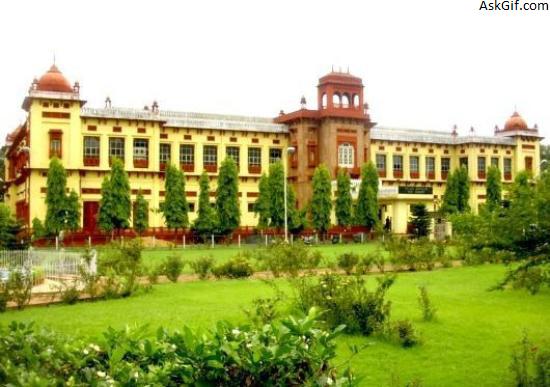
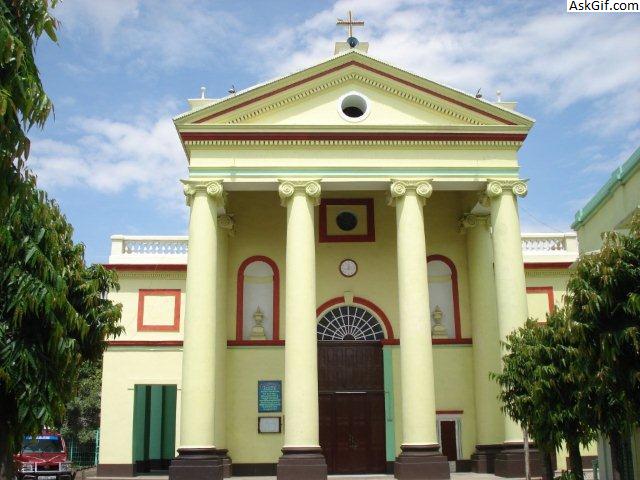
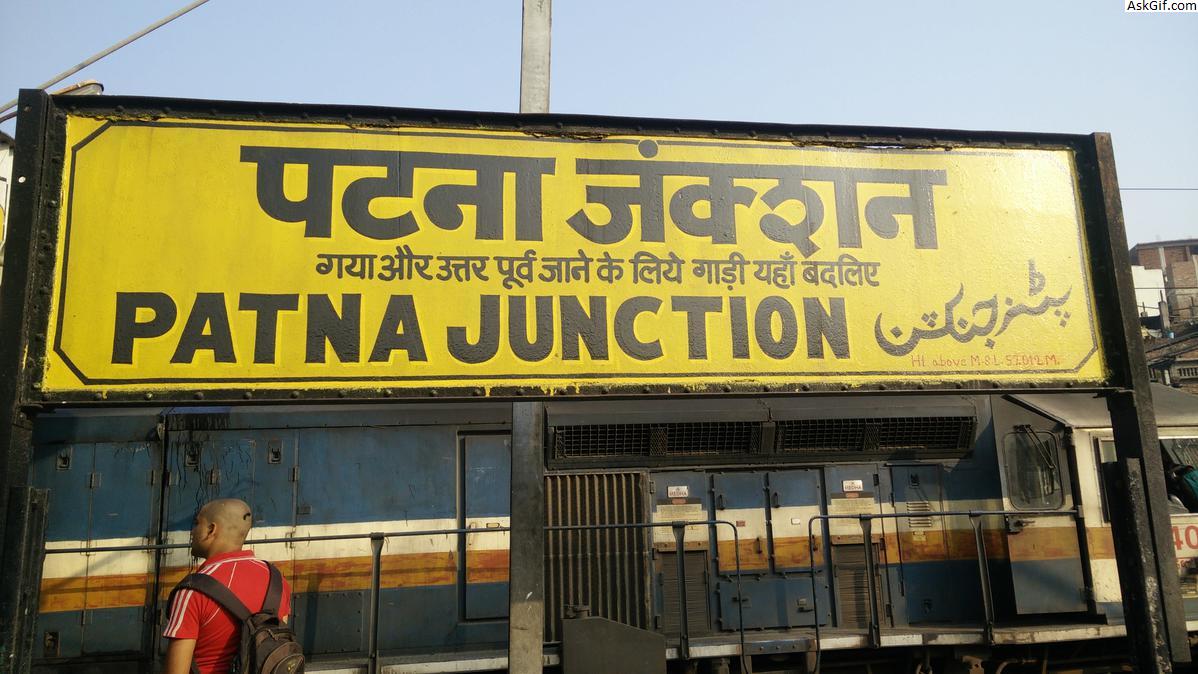
Padri Ki Haveli, High Court, Golghar and Secretariat Building are examples of British architecture. Gandhi Maidan is a historic ground in Patna where several freedom movement rallies took place. Newly built Buddha Smriti Park near Patna Junction is also becoming a major tourist attraction.
The Patna Planetarium (Indira Gandhi Planetarium) is located in Patna's Indira Gandhi Science Complex. It claims to be one of the largest planetariums in Asia and to attract a large number of tourists.
Recently, the Bihar government announced plans to build a state-of-the-art art landmark museum in Patna at a cost of approximately ₹530 crores[219] on a site of 13.9 acres at Bailey Road.[220] 5 firms were shortlisted for the architectural design, of which the Japanese firm Maki and Associates was chosen. As of 2016, the museum had been partially opened and is scheduled to be completed shortly
Education
Patna College, established 1863, is considered to be the oldest institution of higher education in Bihar.
Schools in Patna are either government run schools or private schools . The schools are affiliated to Bihar School Examination Board (BSEB), the All-India Indian Certificate of Secondary Education (ICSE), National Institute of Open Schooling (NIOS) or the Central Board of Secondary Education (CBSE) boards.[223] Hindi and English are the primary languages of instruction. A 2012 survey found 1,574 schools: of these, 78% were private unaided schools (most of them at affordable cost), 21% government schools and 1% private aided.
source: https://en.wikipedia.org/wiki/Patna