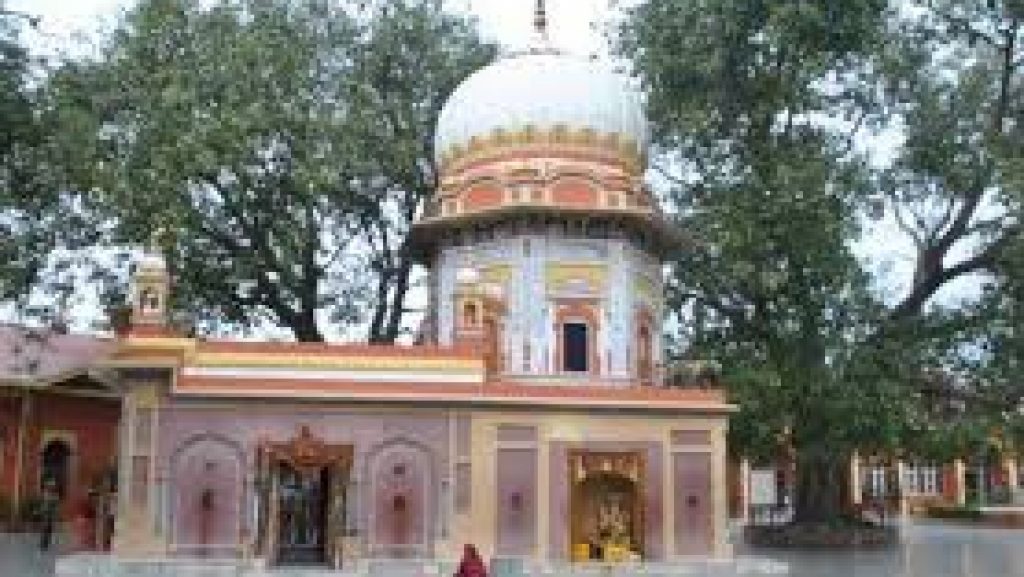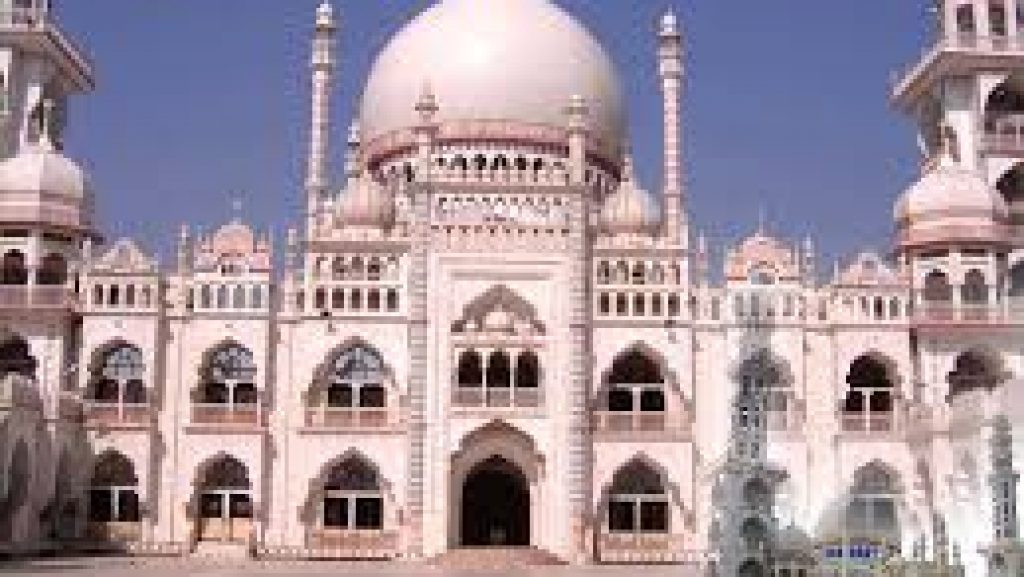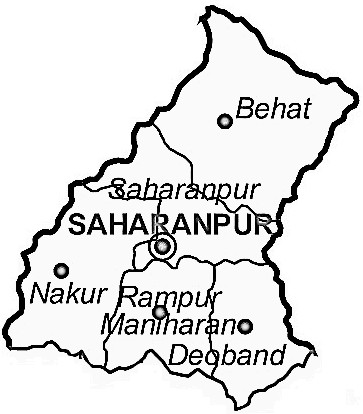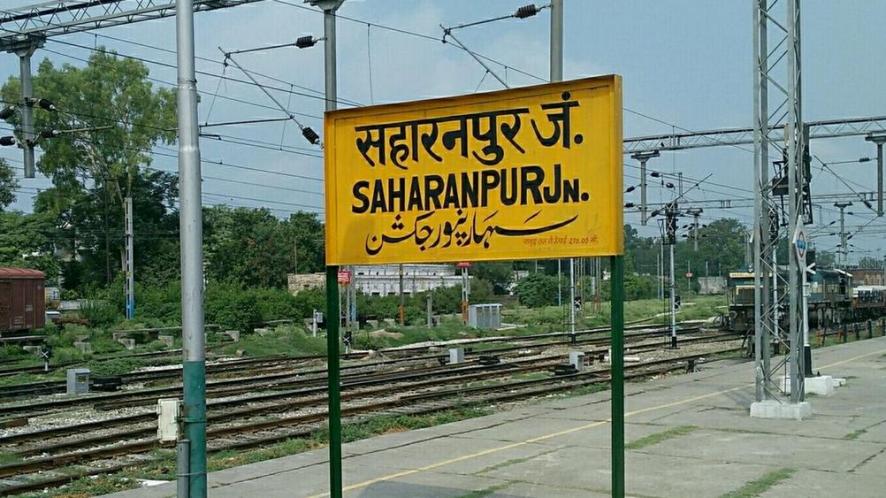
Saharanpur is a city and a Municipal Corporation in the state of Uttar Pradesh in northern India. It is the administrative headquarters of Saharanpur District and the Saharanpur Division.
Saharanpur city grew in a region named after a Sufi Saint Shah Haroon Chishti. It was founded by Sah Ranbirsingh, a Jain nobleman, who laid the foundations of the present-day city on the site of an army cantonment. Situated close to the borders of Haryana, Uttarakhand and Himachal Pradesh states, the city is surrounded by a fertile agricultural region that produces plentiful grains and fruits. Saharanpur is known for its wood carving cottage industry as well as a thriving market for local agricultural produce, including basmati rice and mangoes. A variety of industrial enterprises are located here including textiles, sugar, paper and cigarette factories. It is about 550 km from the capital city Lucknow, 165 km from national capital, Delhi and 65 km away from Dehradun.
Places of interest
The Saharanpur Botanical Gardens, known as the Company Garden and once the preserve of the British East India Company, is one of the oldest existing gardens in India, dating to before 1750. Then named Farahat-Bakhsh, it was originally a pleasure ground set out by a local chief, Intazam ud-ullah. In 1817, it was acquired by the British East India Company and placed under the authority of the District Surgeon. Joseph Dalton Hooker says of this Botanical Garden that "Amongst its greatest triumphs may be considered the introduction of the tea-plant from China, a fact I allude to, as many of my English readers may not be aware that the establishment of the tea-trade in the Himalaya and Assam is almost entirely the work of the superintendents of the gardens of Calcutta and Seharunpore. In 1887, when the Botanical Survey of India was set up to reform the country's botanical sciences, Saharanpur became the centre for the survey of the northern Indian flora. The Garden is seen historically as being second only to the Calcutta Gardens for its contribution to science and economy in India. Under private auspices today, it is full of greenery and has many different kinds of plants and flowers.
Saharanpur falls on the route of the proposed 1,839-kilometre (1,143 mi) Eastern Dedicated Freight Corridor project, funded by the World Bank.
source: https://en.wikipedia.org/wiki/Saharanpur