Top Places to Visit in Farrukhabad, Uttar Pradesh
✈️ travel

Top Places to Visit in Farrukhabad, Uttar Pradesh

5 min read 1,057 words
5 min read
ShareWhatsAppPost on X
  • 1Farrukhabad, located in Uttar Pradesh, has a population of 275,754 with a literacy rate of 72%.
  • 2Sankassa, an ancient city in Farrukhabad, features ruins of Buddhist monuments and was developed by King Ashoka.
  • 3Sandi Bird Sanctuary, situated 19 km from Farrukhabad, is a notable site for birdwatching in the region.

AI-generated summary · May not capture all nuances

Key Insight
AskGif

"Farrukhabad, located in Uttar Pradesh, has a population of 275,754 with a literacy rate of 72%."

Top Places to Visit in Farrukhabad, Uttar Pradesh

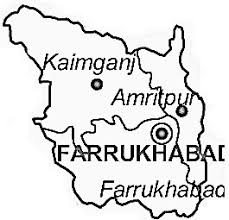
Farrukhabad is a city in the state of Uttar Pradesh in northern India. It was the capital of former princely state Farrukhabad

Farrukhabad is situated between Lat. 26° 46' N & 27° 43' N and Long. 79° 7' E & 80° 2' E. The district is bounded by Badaun and Shahjahanpur on the north, Hardoi District on the east, Kannauj District on the south, and Etah and Mainpuri districts on the west. The Ganga River and Ramganga River are located to the east and the Kali River to the south.

Demographics

As of 2011 India census, Farrukhabad had a population of 275,754 along with Fatehgarh. Males constitute 53% of the population and females 47%. Farrukhabad has an average literacy rate of 72%, higher than the national average of 59.5%: male literacy is 68%, and female literacy is 58%. In Farrukhabad-cum-Fatehgarh, 16% of the population is under 6 years of age. Sex ratio of Farrukhabad is 874 per 1000 male.

source: https://en.wikipedia.org/wiki/Farrukhabad

1. Sankassa

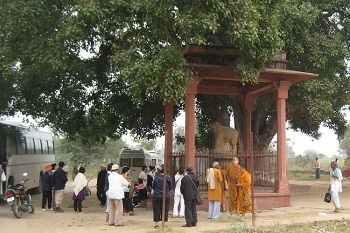
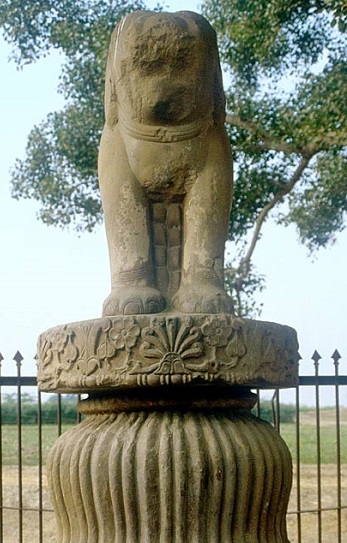
Sankassa (also Sankasia, Sankissa and Sankasya) was an ancient city in India. The city came into prominence at the time of Gautama Buddha. According to a Buddhist source, it was thirty leagues from Savatthi. After the Gautama Buddha's Mahaparinirvana (passing away) king Ashoka developed this place and installed one of his famous Pillars of Ashoka in the city, from which the elephant capital survives. He also built a stupa and a temple commemorating the visit of the Buddha. This temple exist even today and the ruins of the stupa are also present as a temple of Vishari Devi. It is said that the name Visahari Devi is given to the mother of the Buddha.

Descent of the Buddha from the Trayastrimsa Heaven at Sankissa.[2]

Currently it has ruins of old monasteries and Buddhist monuments. It is rarely visited by pilgrims since it is difficult to go to, and there are not many facilities. After a long time Alexander Cunningham (British) discovered the place in 1842. Eighty-seven years later Sir Anagarika Dharmapala (Sri Lanka) came here on spiritual quest. In 1957 Panditha Madabawita Wijesoma Thero (Sri Lanka) came to 'Sankassa' for few years and started a Buddhist school (Wijesoma Widyalaya) for poor people.

Sankassa is now identified with Sankissa Basantapura on the north bank of the Ikkhumati river (Kalinadi), between Kampil and Kannauj, twenty-three miles west of Fatehgarh, twenty-five south of Kaimganj and forty-five north of Kannauj, in Farrukhabad district of Uttar Pradesh state of India.

source: https://en.wikipedia.org/wiki/Sankassa

1. Sankassa
1. Sankassa

2. Ashokan elephant pillar

After the Gautama Buddha's Mahaparinirvana (passing away) king Ashoka developed this place and installed one of his famous Pillars of Ashoka in the city, from which the elephant capital survives

2. Ashokan elephant pillar

3. Sandi Bird Sanctuary

Sandi Bird Sanctuary is a bird sanctuary in Hardoi district of Uttar Pradesh, India.

The sanctuary is located at a distance of 19 km on Hardoi-Sandi Road in Sandi in Hardoi district of Uttar Pradesh. Sandi Bird Sanctuary is 1 km from Sandi town on Main Road at Nawabganj, near Sandi Police Station of Hardoi district.

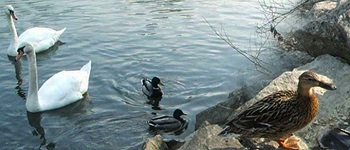
Sandi Bird sanctuary was created in the year 1990 in order to protect the natural habitats and aquatic vegetation for the local residents and migratory birds. The Sandi Bird sanctuary is also known by its ancient name as “Dahar Jheel” (Jheel = Lake). The lake's area is 309 ha (3.09 km²). River Garra, formerly known as Garun Ganga, passes near the sanctuary.

Migratory birds rest on the banks of the river before reaching the Sandi Bird sanctuary. The migratory birds begin to arrive at the sanctuary at the beginning of winter in the month of November. Sandi is a tourist As a tourist destination and is of particular interest to birdwatchers. The best time to visit the sanctuary is from December to February. The nearest railway station is at Hardoi (19 km).

In the past, the rare Siberian white crane Grus leucogeranus has been seen here, and some scientists believe it returns under the right circumstances.

source: https://en.wikipedia.org/wiki/Sandi_Bird_Sanctuary

3. Sandi Bird Sanctuary

4. Buddha statue sankasia

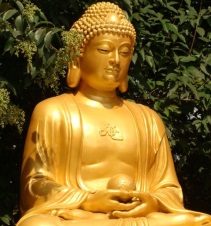
It was at Sankassa that (according to the commentaries) the Buddha returned to earth, after preaching the Abhidhamma Pitaka in Tavatimsa, following the performance of the Twin Miracle under the Gandamba tree. As the time approached for the Buddha to leave Távatimsa, Moggallana (Anuruddha, according to Sutta Nipāta Commentary ii 570) announced his coming return to the multitude, who had been waiting at Savatthi, fed by Culla Anathapindika, while Moggallana expounded the Dhamma. They then made their way to Sankassa. The descent of the Buddha took place on the day of the Mahapavarana festival. Sakka provides three ladders for the Buddha's descent from Sineru to the earth: on the right was a ladder of gold for the gods; on the left a silver ladder for Maha Brahma and his retinue; and in the middle a ladder of jewels for the Buddha. The assembled people covered the earth for thirty leagues round. There was a clear view of the nine Brahma worlds above and of Avici (a hell) below. The Buddha was accompanied by Pañcasikha, Mátali, Mahá Brahmá and Suyáma. Sariputta was the first to welcome him (followed by Uppalavanna, and the Buddha preached the Law, starting with what was within the comprehension even of a puthujjana, and ending with what only a Buddha could understand.

On this occasion was preached the Parosahassa Játaka to proclaim to the multitude the unparalleled wisdom of Sáriputta. It is said that the Buddha's descent to Sankassa had provided opportunity for Moggallána to show his eminence in iddhi, Anuruddha in dibbacakkhu, and Punna in skill in preaching, and the Buddha wished to give Sariputta a chance of shining in his wisdom. He therefore asked of Sáriputta questions which no one else could answer. The opening words of the Sáriputta Sutta are supposed to refer to this descent from Tusita.

source: https://en.wikipedia.org/wiki/Sankassa

4. Buddha statue sankasia

5. How to Reach

Railways

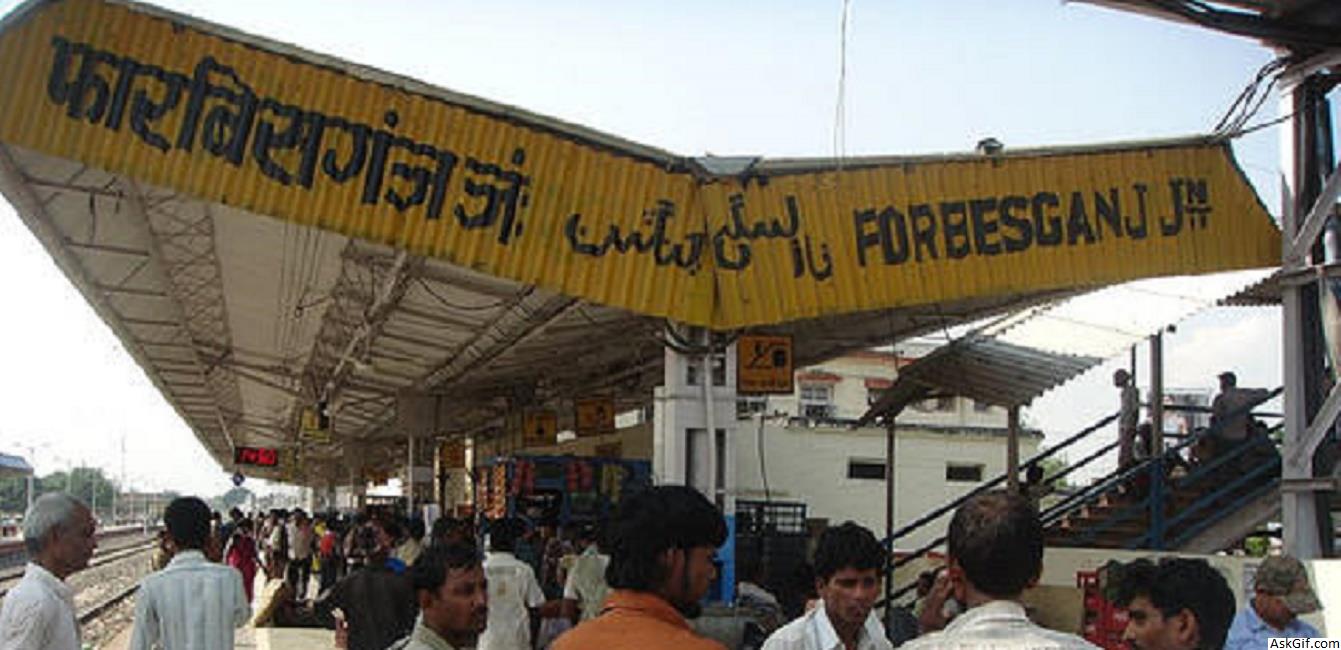
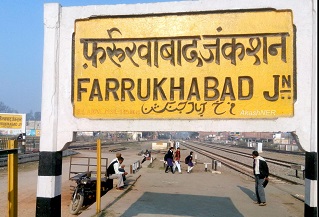
Farrukhabad Junction railway station

Fatehgarh Station

Kaimganj Station

Kamalganj Station

Yaqutganj Station

Harsinghpur Goba Station

Jhansi Mainpuri Kanpur

Roadways

Farrukhabad was a part of the Ganga Expressway, an ambitious project of Rs. 400 billion to provide high-speed connectivity between the eastern and the western parts of the state. The city has a bus station belonging to the State Road Transport System.

Airways

Farrukhabad has an airstrip at Mohammadabad so that in case of any natural calamity it can be reached easily by small aircraft and helicopters.

source: https://en.wikipedia.org/wiki/Farrukhabad

5. How to Reach
5. How to Reach

Enjoyed this article?

Share it with someone who'd find it useful.

ShareWhatsAppPost on X

AskGif

Published on 2 September 2018 · 5 min read · 1,057 words

Part of AskGif Blog · travel

You might also like