इंजन कैसे काम करता है?
त्वरित उत्तर
एक इंजन ईंधन को नियंत्रित विस्फोटों की एक श्रृंखला के माध्यम से यांत्रिक ऊर्जा में परिवर्तित करके काम करता है।
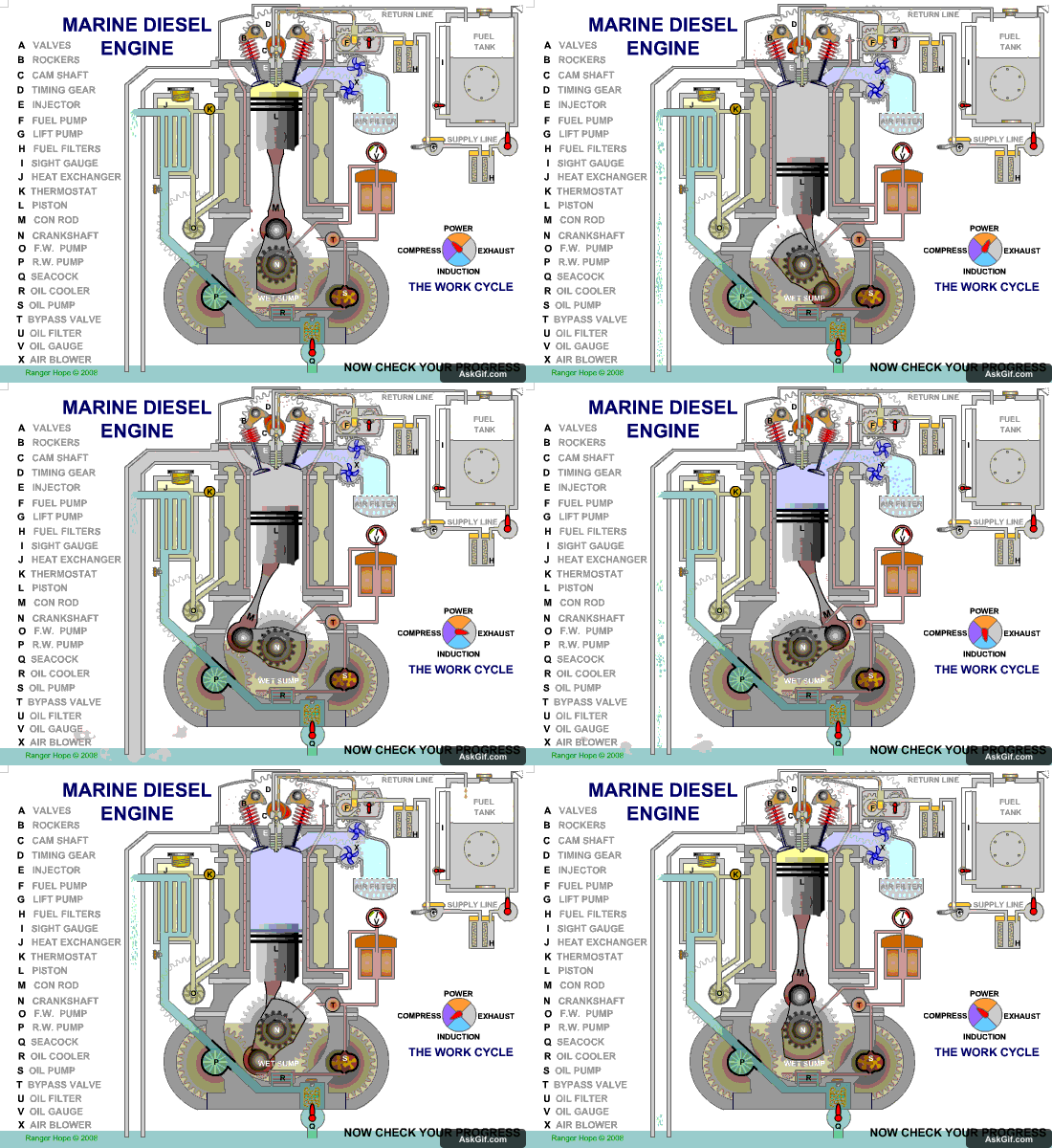
इंजन जटिल मशीनें हैं जो ईंधन को गति में परिवर्तित करने के लिए डिज़ाइन की गई हैं। ये मुख्य रूप से दहन के सिद्धांत पर काम करते हैं, जहां ईंधन को ऊर्जा उत्पन्न करने के लिए जलाया जाता है। यह ऊर्जा फिर पिस्टन को चलाने के लिए उपयोग की जाती है, जो अंततः वाहन को शक्ति प्रदान करती है।
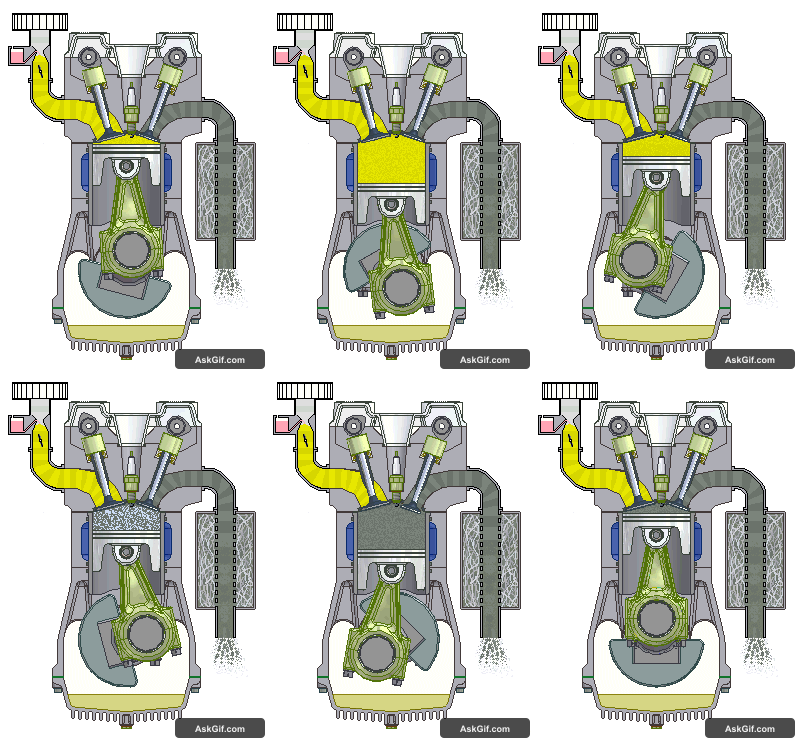
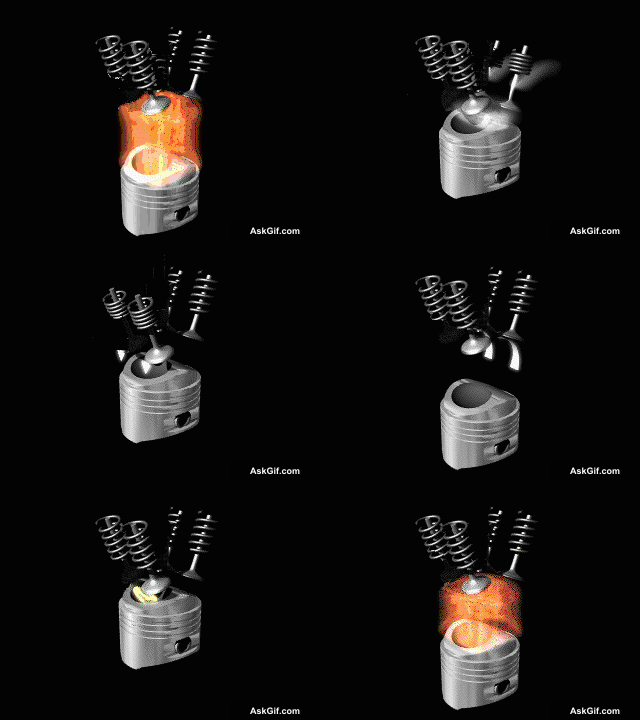
एक सामान्य आंतरिक दहन इंजन में, प्रक्रिया हवा और ईंधन के सेवन से शुरू होती है, जिसे फिर एक सिलेंडर के भीतर संकुचित किया जाता है। स्पार्क प्लग मिश्रण को जलाता है, जिससे एक छोटा विस्फोट होता है जो पिस्टन को नीचे धकेलता है। यह रैखिक गति क्रैंकशाफ्ट में स्थानांतरित होती है, जो इसे घूर्णन गति में परिवर्तित करती है जो वाहन के पहियों को चलाती है।
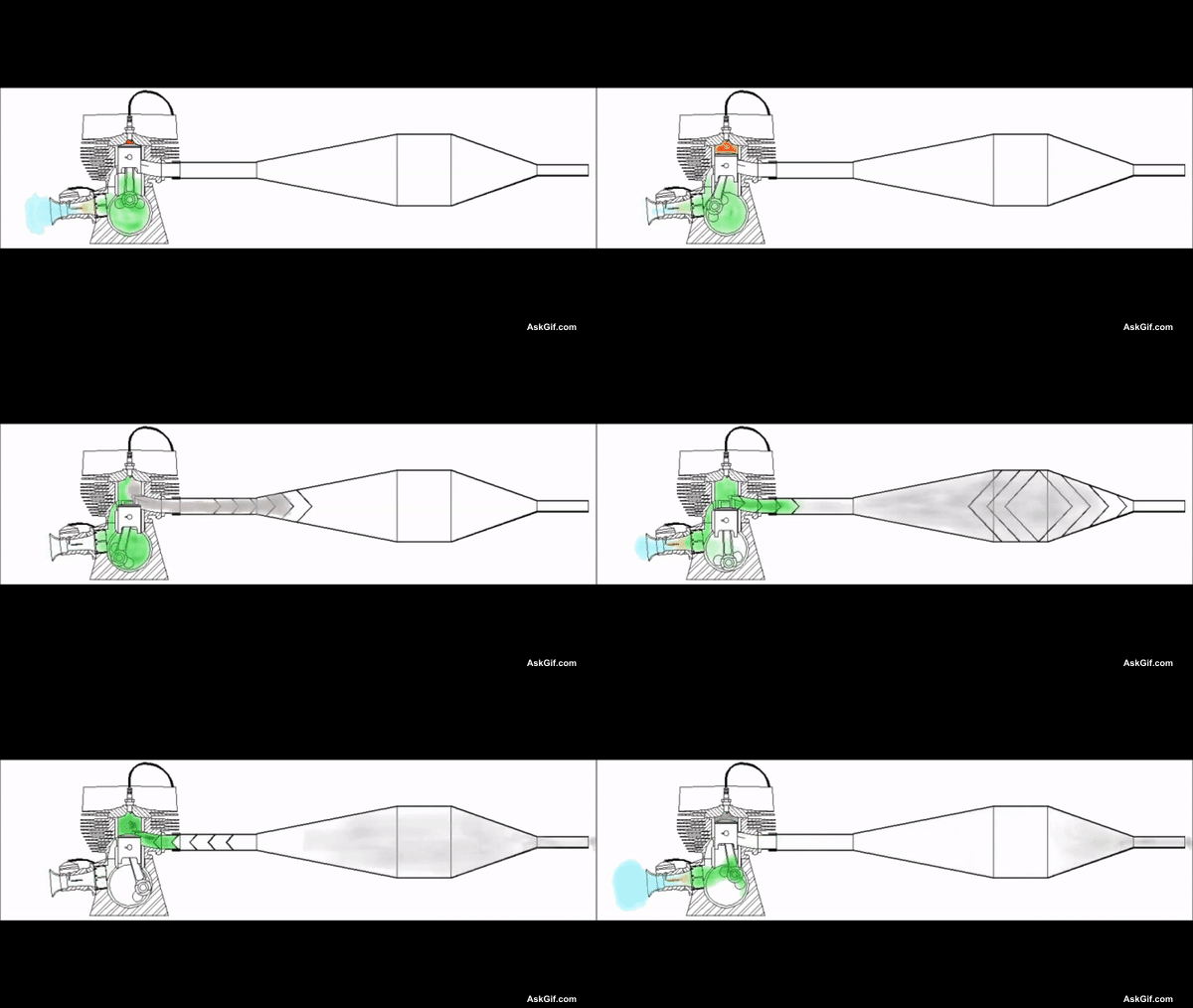
इंजन के डिज़ाइन में महत्वपूर्ण भिन्नताएँ हो सकती हैं, सरल दो-स्ट्रोक इंजनों से लेकर जटिल मल्टी-सिलेंडर कॉन्फ़िगरेशन तक। प्रत्येक डिज़ाइन के अपने फायदे और नुकसान होते हैं, जो दक्षता, शक्ति उत्पादन और उत्सर्जन को प्रभावित करते हैं।
चरण-दर-चरण: यह कैसे काम करता है
- 1
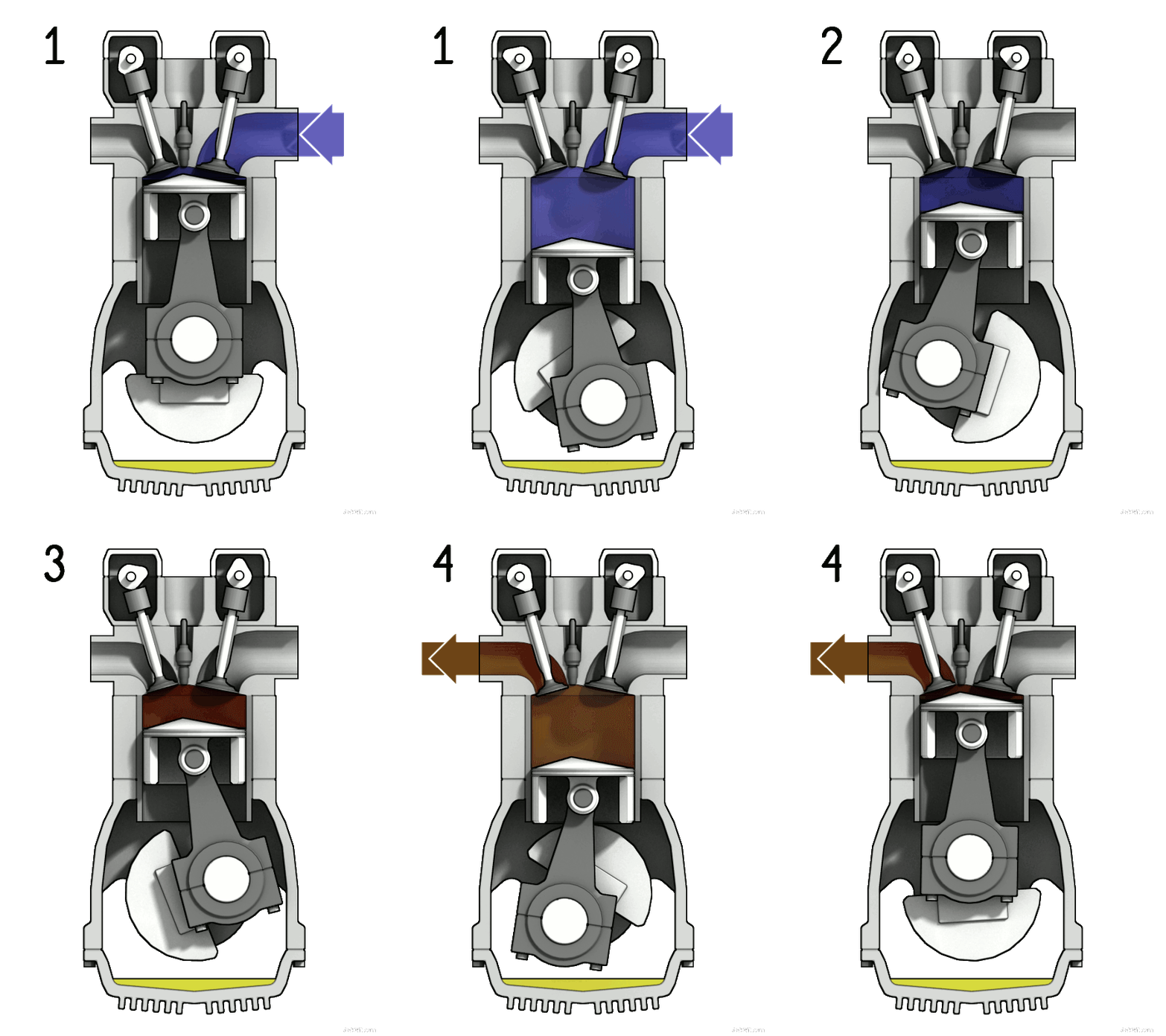
Air and Fuel Intake
The engine begins by drawing in air and fuel through the intake valves. The fuel can be gasoline, diesel, or another type of fuel, depending on the engine design.
- 2
Compression
The mixture of air and fuel is then compressed within the cylinder by the upward movement of the piston, creating a highly pressurized environment that is essential for efficient combustion.
- 3
Ignition
Once the mixture is compressed, the spark plug ignites it, causing a rapid expansion of gases. This explosion forces the piston down, generating power.
- 4
Power Stroke
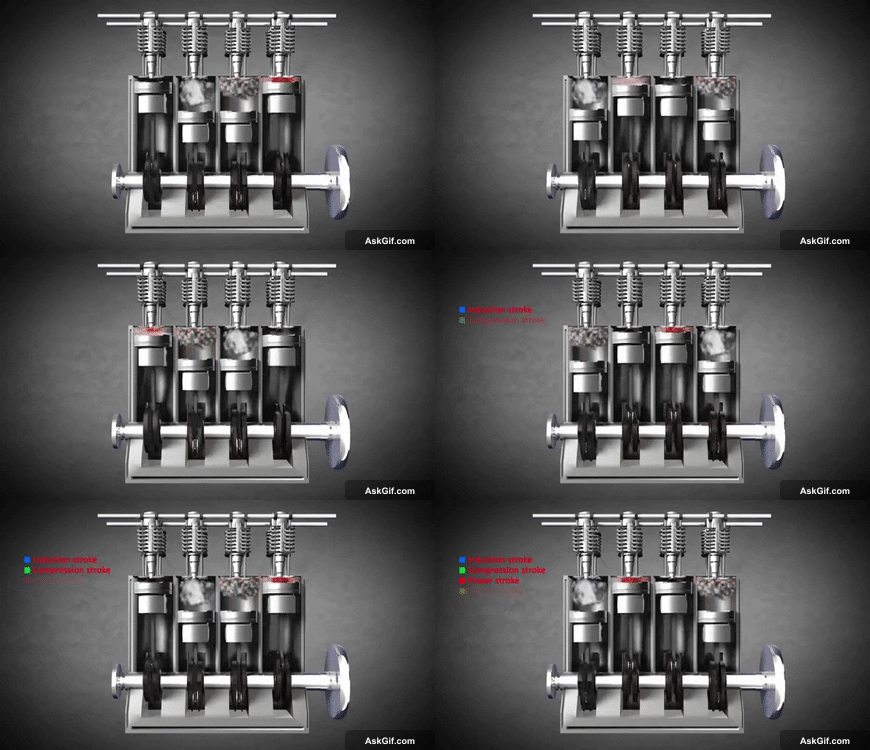
The downward motion of the piston turns the crankshaft, which is connected to the vehicle's drivetrain, translating the linear motion into rotational motion that moves the vehicle.
- 5
Exhaust
After the power stroke, the exhaust valves open, allowing the spent gases to escape from the cylinder, making way for a new cycle of air and fuel intake.