How Geopolitics is Changing the Future of Jobs in 2026
🔍 informatives

How Geopolitics is Changing the Future of Jobs in 2026

1 min read 242 words
1 min read
ShareWhatsAppPost on X
  • 1Geopolitical factors are reshaping employment landscapes as we approach 2026, influenced by AI advancements and global conflicts.
  • 2Countries are adapting workforce strategies to address challenges posed by technology and international tensions.
  • 3Job seekers and businesses must understand these changes to meet the rising demand for skilled professionals in emerging sectors.

AI-generated summary · May not capture all nuances

Key Insight
AskGif

"Geopolitical factors are reshaping employment landscapes as we approach 2026, influenced by AI advancements and global conflicts."

How Geopolitics is Changing the Future of Jobs in 2026

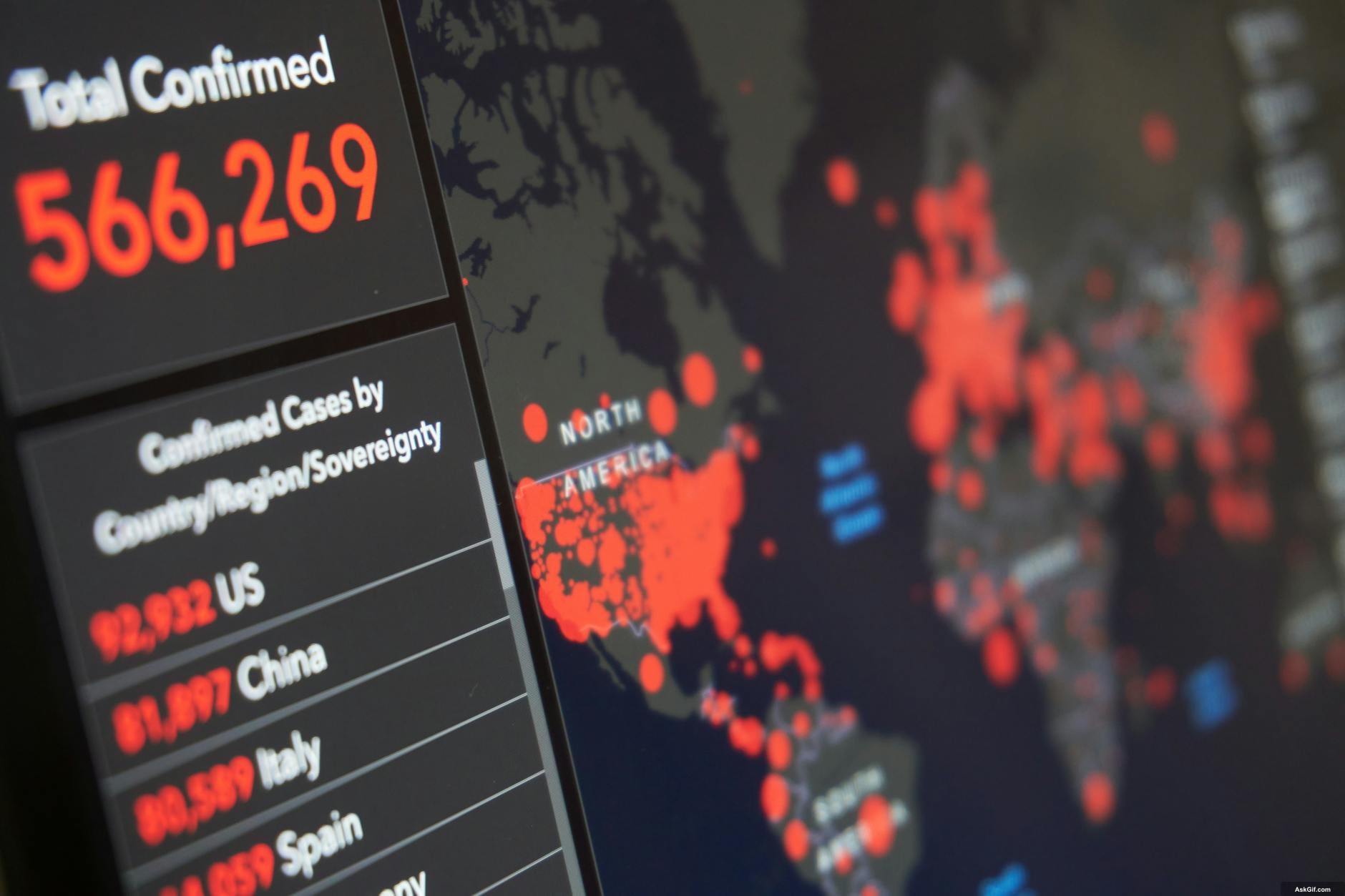
Employment Landscape in 2026

As we approach 2026, the landscape of employment is being reshaped by geopolitical factors, particularly the rise of artificial intelligence, ongoing conflicts, and shifting global power dynamics. Countries are adapting their workforce strategies to meet the challenges posed by technological advancements and international tensions.

Understanding these changes is crucial for job seekers and businesses alike, as the demand for skilled professionals in emerging sectors is likely to increase. Companies will need to be agile in responding to the global shifts that could redefine what work looks like in the near future.

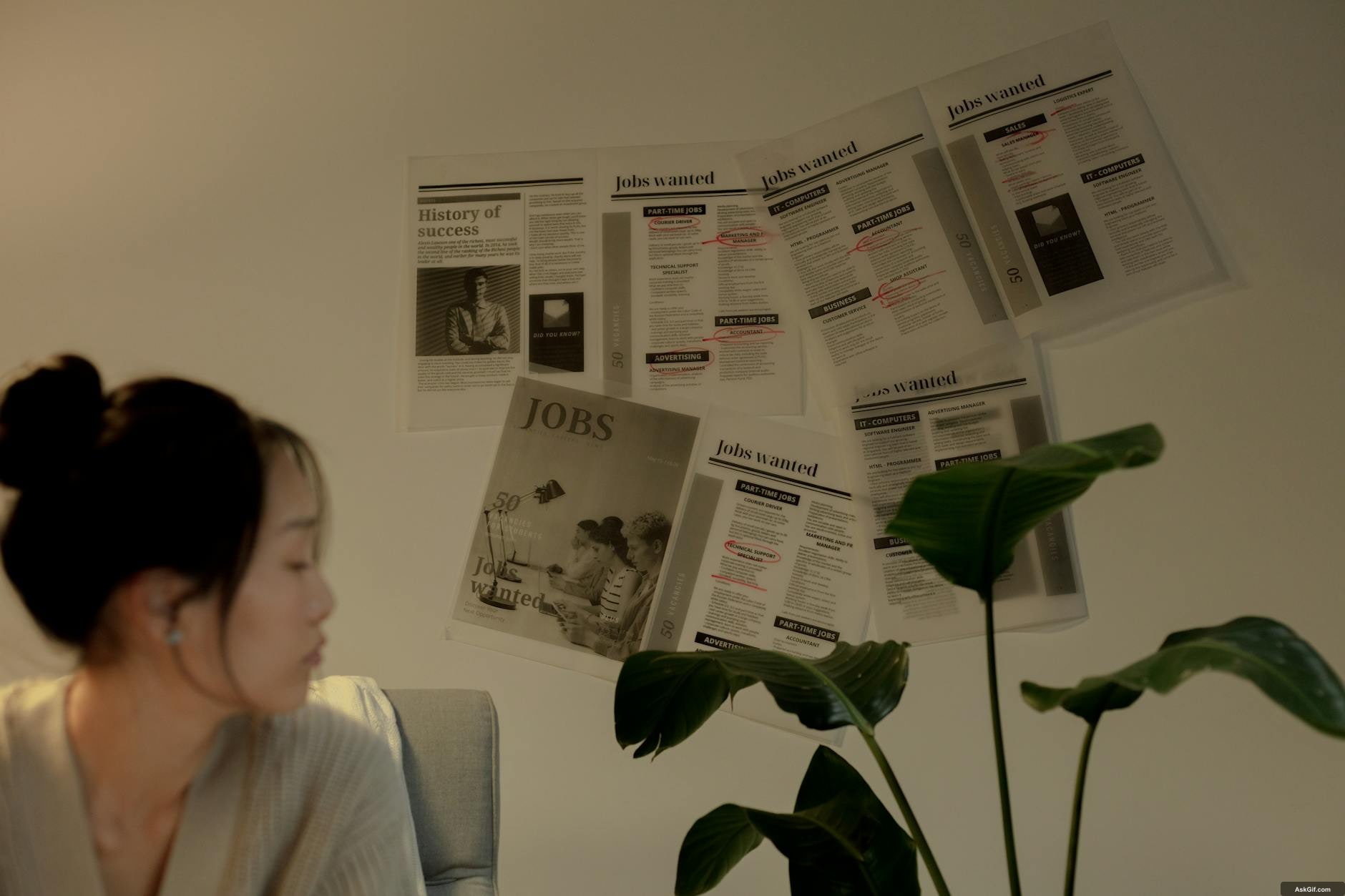
The Role of AI in Job Transformation

Artificial Intelligence and the Job Market

Artificial Intelligence (AI) is set to revolutionize the job market by automating routine tasks and creating new job categories. As AI technologies advance, industries will demand a workforce skilled in AI management, data analysis, and machine learning.

  • Emerging tech roles will dominate.
  • Reskilling programs will become essential.
  • Job displacement will require strategic planning.
The Role of AI in Job Transformation

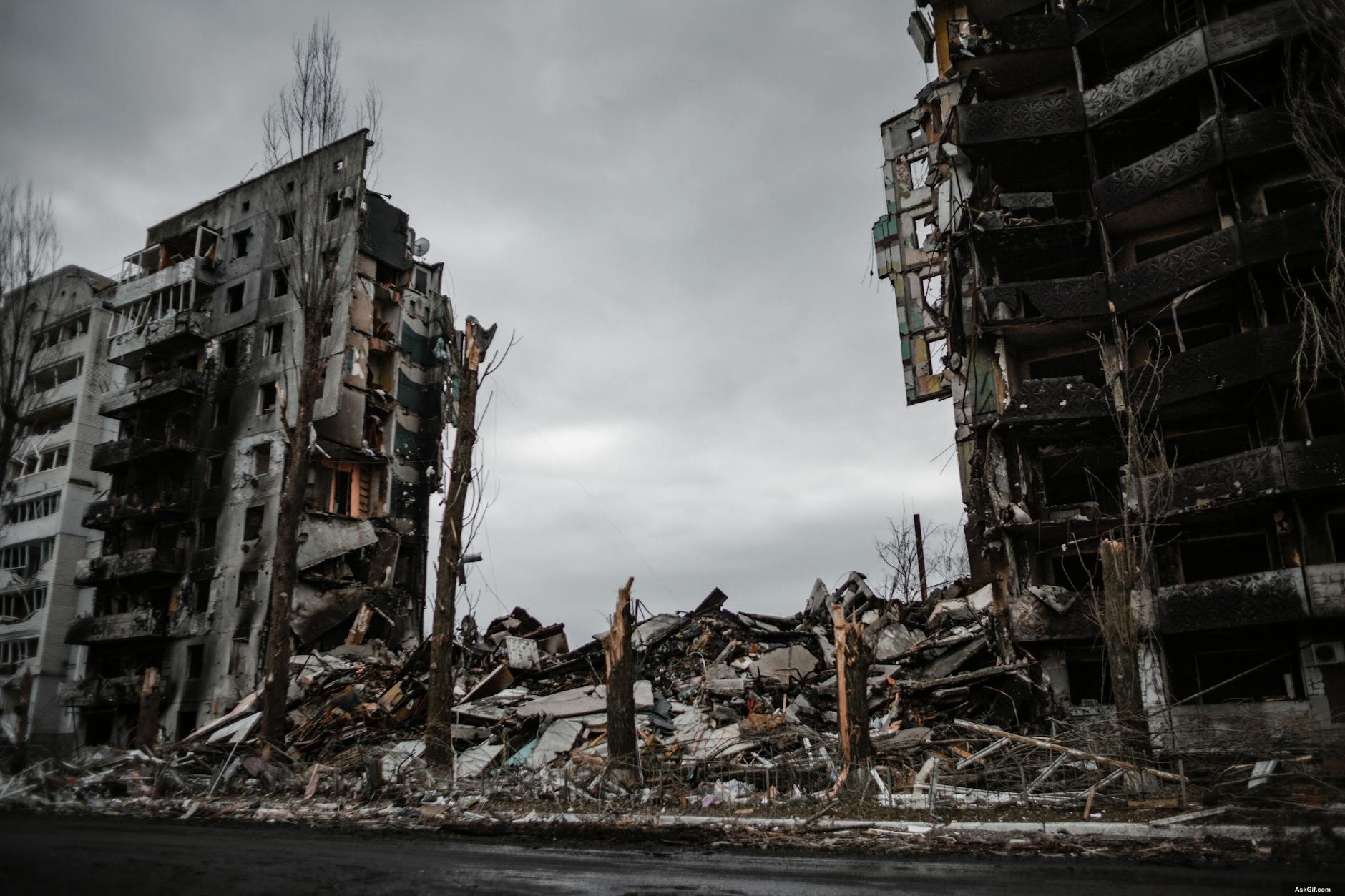
Impact of Global Conflicts on Employment

Impact of Geopolitical Conflicts on Job Markets

Ongoing geopolitical conflicts significantly affect job markets worldwide. Regions experiencing instability may see a decline in foreign investments, leading to job losses. Conversely, countries that maintain stability may attract businesses looking to relocate.

  • Increased security jobs in conflict zones.
  • Migration patterns affecting local labor markets.
  • Opportunities in peacekeeping and recovery sectors.
Impact of Global Conflicts on Employment

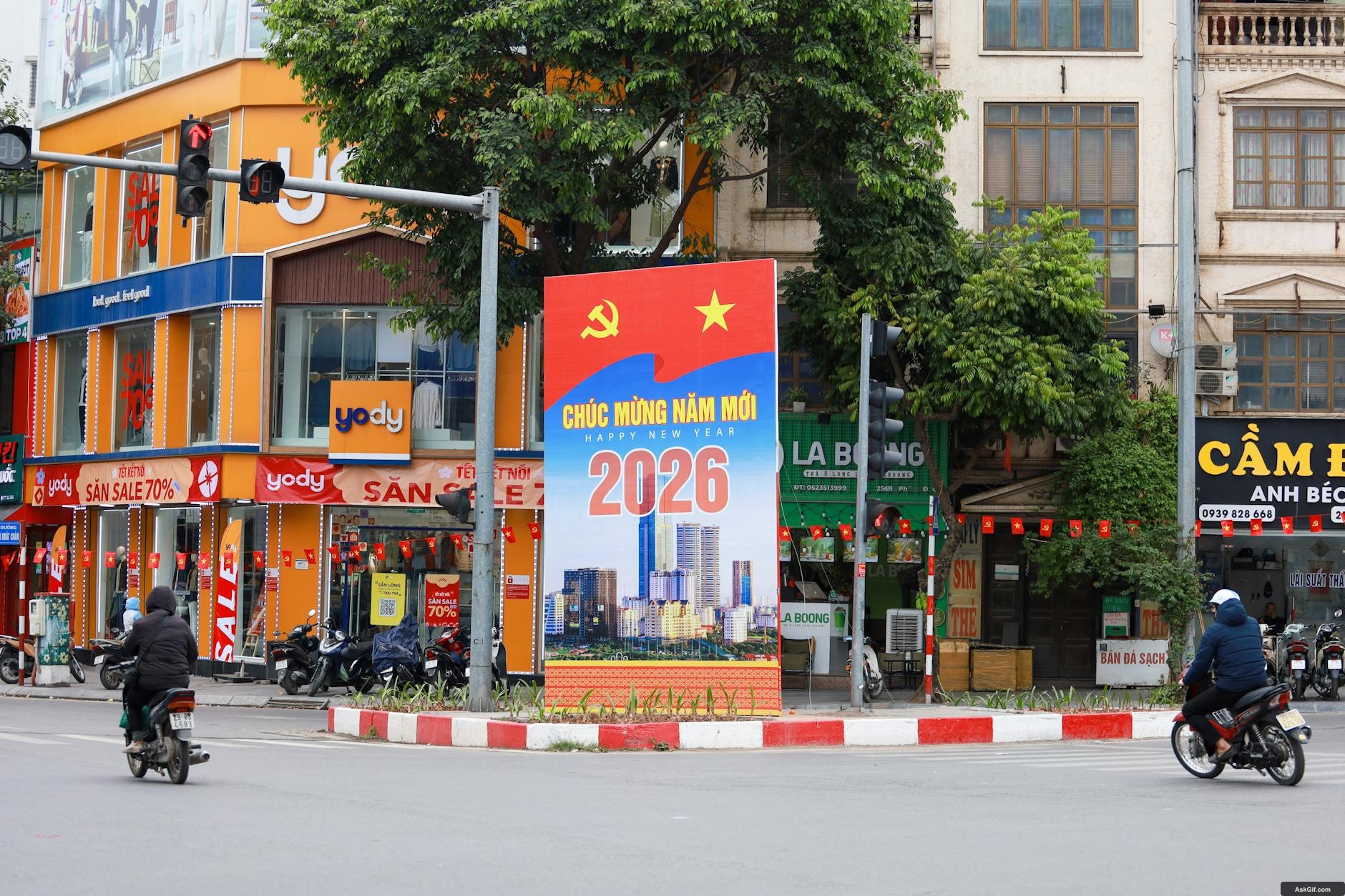
Changing Global Power Dynamics

Shifting Global Power Dynamics

The shift in global power dynamics, especially with the rise of new economic powers, is reshaping job opportunities. Traditional powerhouses may lose influence, while emerging markets gain traction, leading to a more diverse job landscape.

  • New markets will open for investment.
  • Cross-cultural skills will be in demand.
  • Global collaboration will drive innovation.
Changing Global Power Dynamics

Enjoyed this article?

Share it with someone who'd find it useful.

ShareWhatsAppPost on X

AskGif AI

Published on 2 April 2026 · 1 min read · 242 words

Part of AskGif Blog · informatives

You might also like