Is the Global Economy Heading Towards a Crisis in 2026?
🔍 informatives

Is the Global Economy Heading Towards a Crisis in 2026?

1 min read 274 words
1 min read
ShareWhatsAppPost on X
  • 1The global economy faces challenges that could lead to a crisis by 2026, including AI advancements and fluctuating oil prices.
  • 2Geopolitical tensions are significant factors to consider when predicting potential economic downturns.
  • 3Businesses and consumers need to prepare for the possible ramifications of these emerging economic trends.

AI-generated summary · May not capture all nuances

Key Insight
AskGif

"The global economy faces challenges that could lead to a crisis by 2026, including AI advancements and fluctuating oil prices."

Is the Global Economy Heading Towards a Crisis in 2026?

The Global Economy and Potential Challenges

The global economy is currently facing numerous challenges that may lead to a crisis by 2026. Factors such as the rapid advancement of artificial intelligence, fluctuating oil prices, and ongoing geopolitical tensions are essential to consider. Understanding these elements is crucial for predicting potential economic downturns and their impact on various sectors worldwide.

As we delve deeper into these issues, it becomes evident that a confluence of circumstances could create a perfect storm for economic instability. Businesses and consumers alike must prepare for the possible ramifications of these emerging trends.

The Impact of AI on Global Markets

The Impact of Artificial Intelligence on Industries

The boom in artificial intelligence is reshaping industries, leading to increased productivity but also potential job losses. As companies automate tasks, the demand for skilled labor will surge, while unskilled workers may find it challenging to adapt. This shift could exacerbate income inequality and create economic instability.

Furthermore, nations investing heavily in AI technology may gain a competitive advantage, reshaping global trade dynamics.

The Impact of AI on Global Markets

Fluctuating Oil Prices and Their Consequences

Impact of Oil Prices on the Global Economy

Oil prices have always been a significant driver of the global economy. Sudden fluctuations can lead to inflation, affecting consumer spending and business investments.

If prices rise sharply, countries reliant on oil imports may face economic strain, leading to potential crises.

Moreover, geopolitical tensions in oil-producing regions can lead to supply disruptions, further exacerbating these issues.

Fluctuating Oil Prices and Their Consequences

Geopolitical Tensions and Economic Stability

Geopolitical Tensions and Their Economic Implications

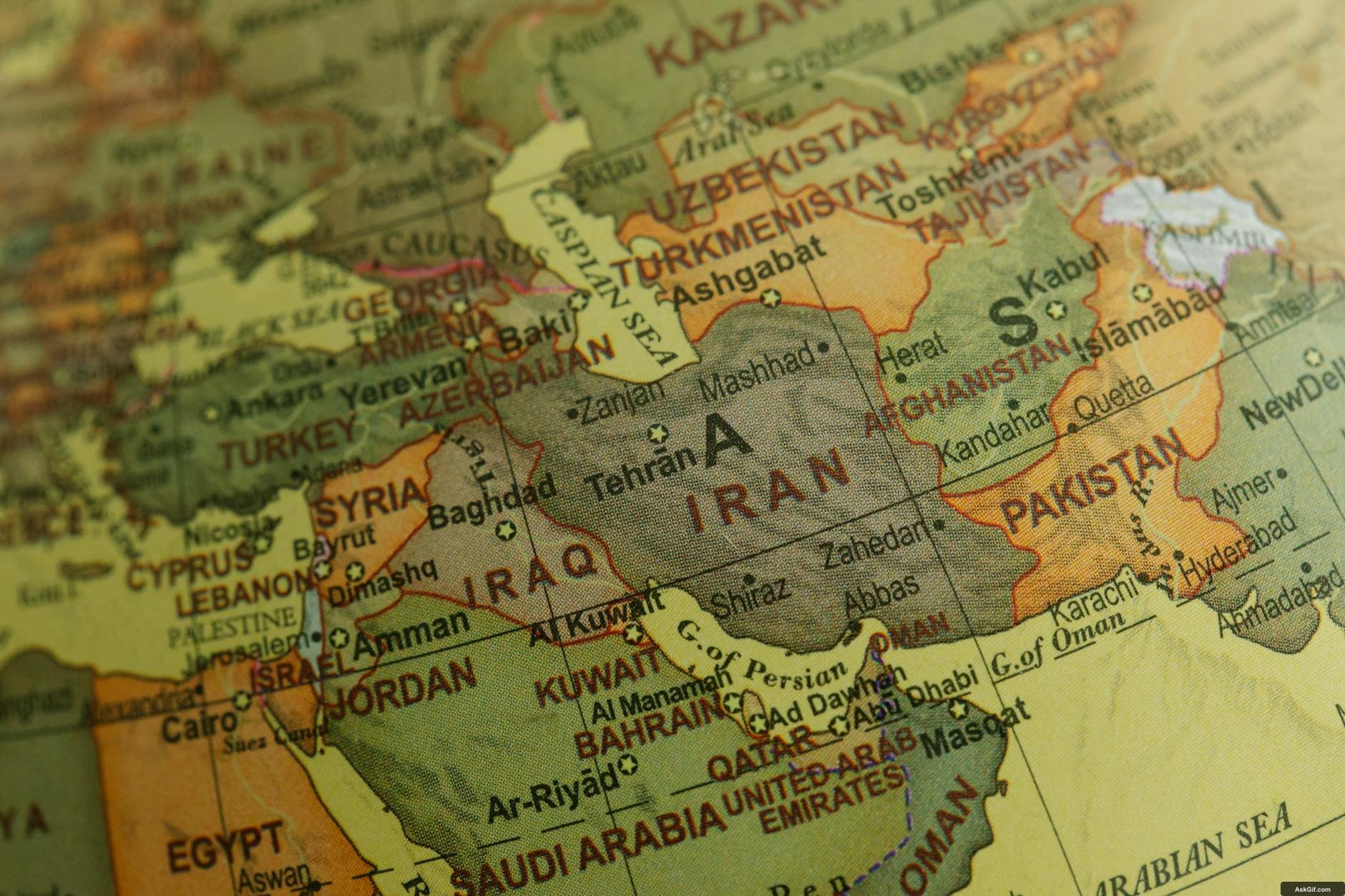
Geopolitical tensions, such as conflicts between nations, can have widespread implications for the global economy. Wars and sanctions disrupt trade routes, leading to supply chain issues and increased costs for consumers.

These tensions can also deter investment, further straining economic growth. As countries navigate these challenges, the potential for an economic crisis looms larger, making it essential for policymakers to act proactively.

Geopolitical Tensions and Economic Stability

Enjoyed this article?

Share it with someone who'd find it useful.

ShareWhatsAppPost on X

AskGif AI

Published on 2 April 2026 · 1 min read · 274 words

Part of AskGif Blog · informatives

You might also like