How the Iran War Changed Middle Eastern Politics Forever
🔍 informatives

How the Iran War Changed Middle Eastern Politics Forever

2 min read 334 words
2 min read
ShareWhatsAppPost on X

The Iran War marked a significant turning point in Middle Eastern politics, reshaping alliances and rivalries that persist today. This conflict not only altered the political landscape of Iran but also had profound effects on neighboring countries. As various factions emerged, the war laid the groundwork for future conflicts and geopolitical strategies.

Understanding the implications of the Iran War requires a deep dive into its causes, the various players involved, and the long-term consequences that have shaped the region's dynamics. In this post, we will explore these key elements and their lasting impact on Middle Eastern politics.

The Origins of the Iran War

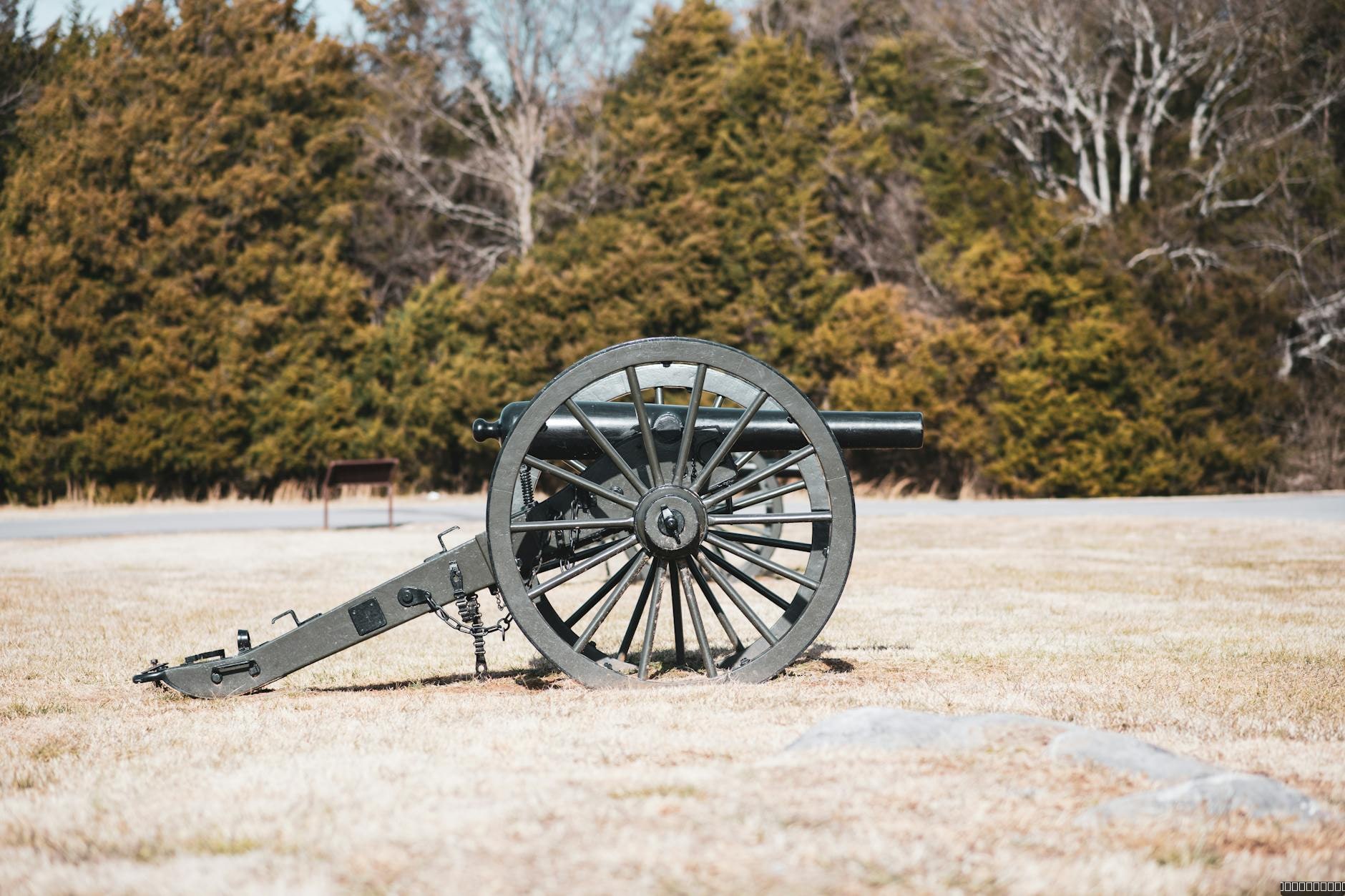
The Iran War, which began in 1980, was rooted in a mix of political, religious, and territorial disputes. The aftermath of the Iranian Revolution created a power vacuum that various factions sought to fill. Key players included Iraq, led by Saddam Hussein, who viewed the revolution as a threat, and Iran, which aimed to export its revolutionary ideals.

This complex backdrop set the stage for a brutal conflict that would last for eight years, resulting in significant casualties and a redefined regional order.

The Origins of the Iran War

Impact on Regional Alliances

The Iran War significantly shifted alliances within the Middle East. Countries like Saudi Arabia and other Gulf states formed a coalition against Iran, fearing the spread of its revolutionary ideology. This led to the strengthening of military and economic ties among these nations, fostering a Sunni bloc that would influence regional dynamics for decades.

In contrast, Iran's relationships with groups like Hezbollah and various Shia militias deepened, creating a new axis of power that continues to challenge traditional alliances.

Impact on Regional Alliances

Long-term Consequences

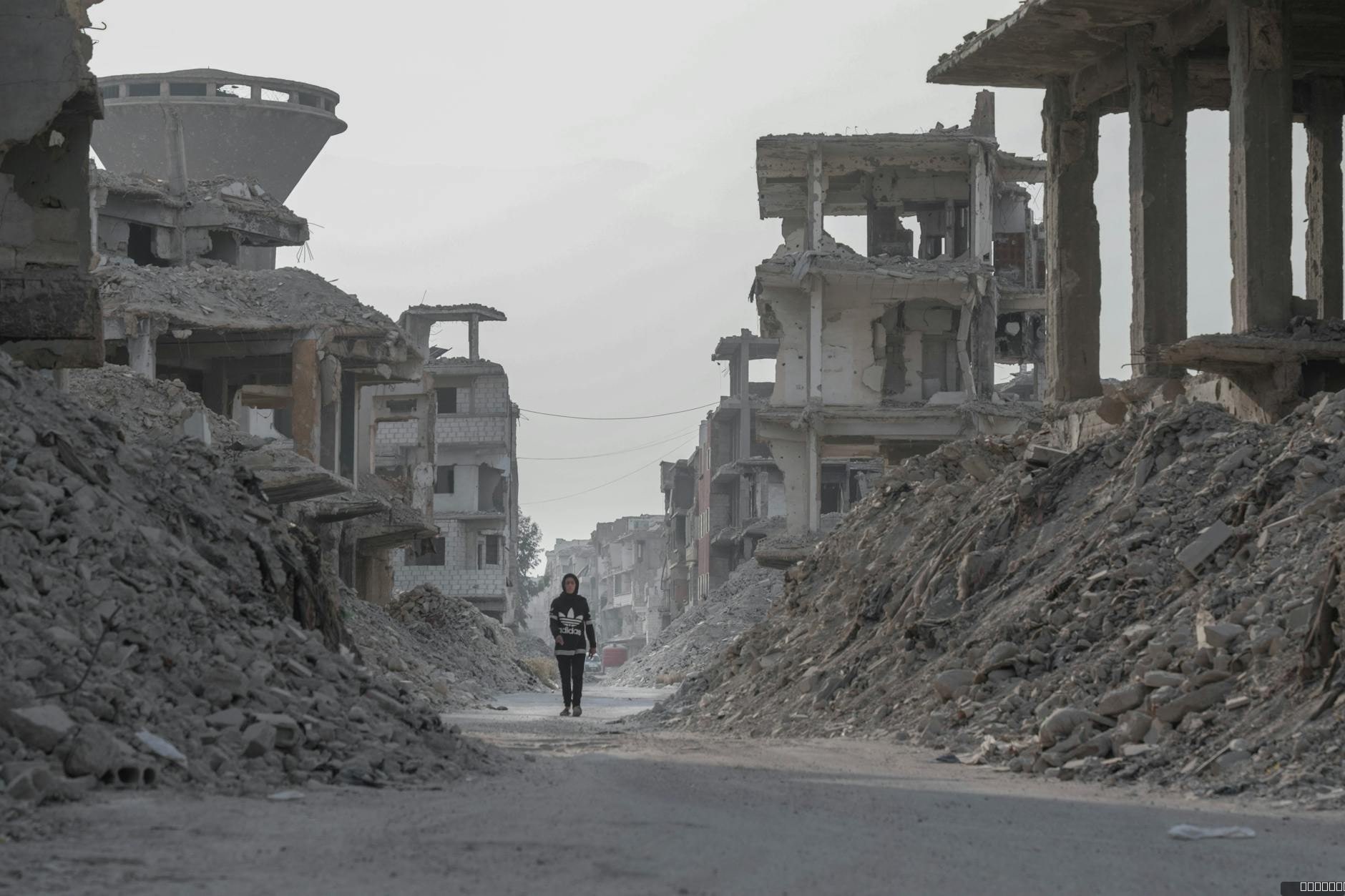
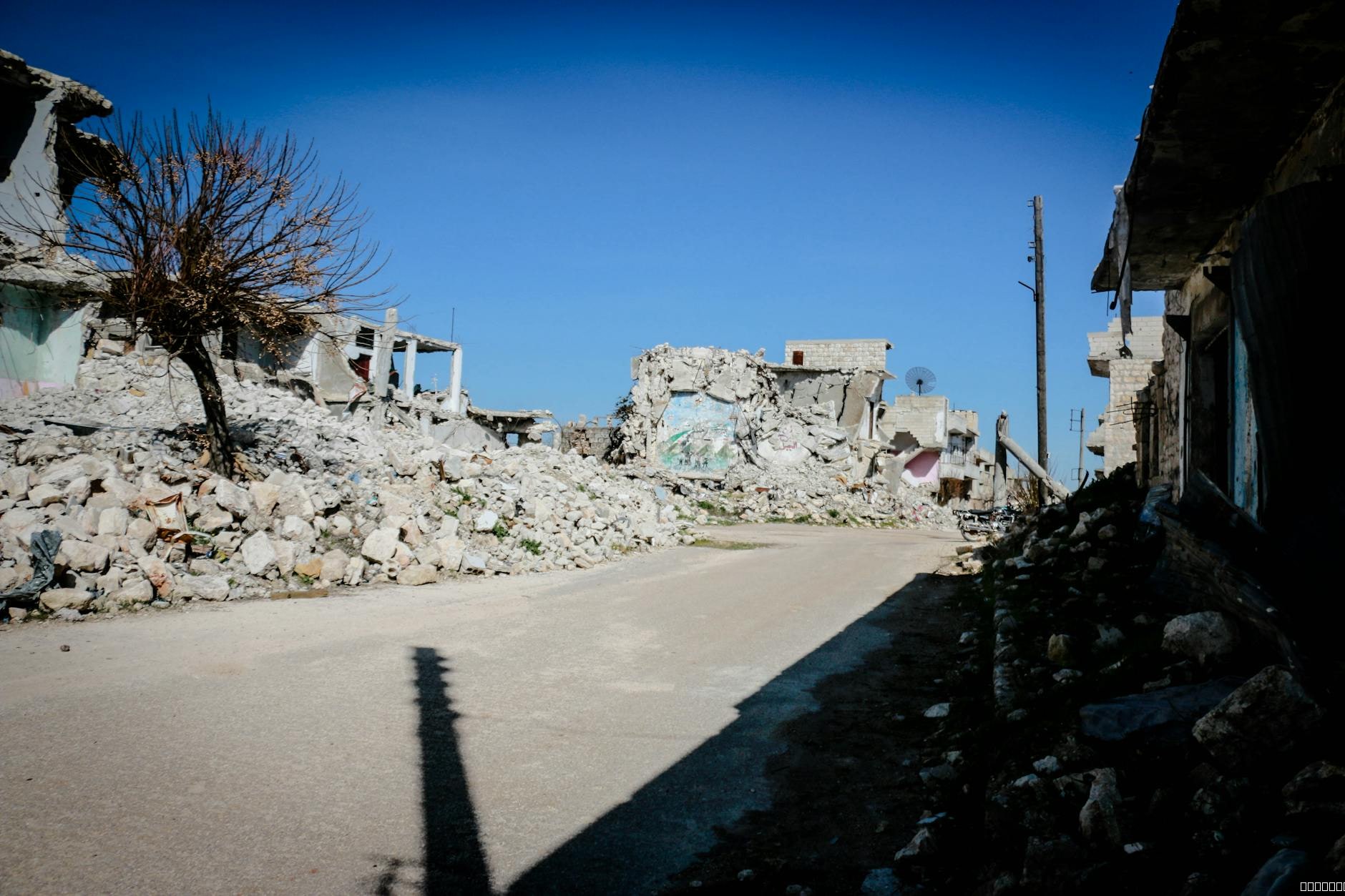
The long-term consequences of the Iran War are still felt today. The sectarian divide between Sunni and Shia Muslims has widened, leading to ongoing conflicts in countries like Iraq and Syria. Additionally, the war set a precedent for foreign interventions in the region, with powers like the U.S. and Russia becoming more involved in Middle Eastern affairs.

Overall, the legacy of the Iran War continues to shape the political landscape, influencing both domestic and international policies across the region.

Long-term Consequences

Enjoyed this article?

Share it with someone who'd find it useful.

ShareWhatsAppPost on X

AskGif AI

Published on 25 March 2026 · 2 min read · 334 words

Part of AskGif Blog · informatives

You might also like