Tibet, the roof of the world is the highest and the largest plateau that has ever existed on Earth. It is the source of six most important Asian rivers that have been the cradles and guardians of the world’s most populous civilizations catering to 1.3 billion people. The huge landmass is called the third pole as it has the highest amount of ice spread in the world after the Arctic and Antarctic pole. The house of 46,000 glaciers is approaching desertification. This island in the sky acts as a carbon sink and prevents global warming and the melting of the permafrost.
The health of the rainmaker should be a concern as the effects are not restricted to the Tibetan population alone but it concerns, beyond the survival of the Tibetans, the survival of half humanity.
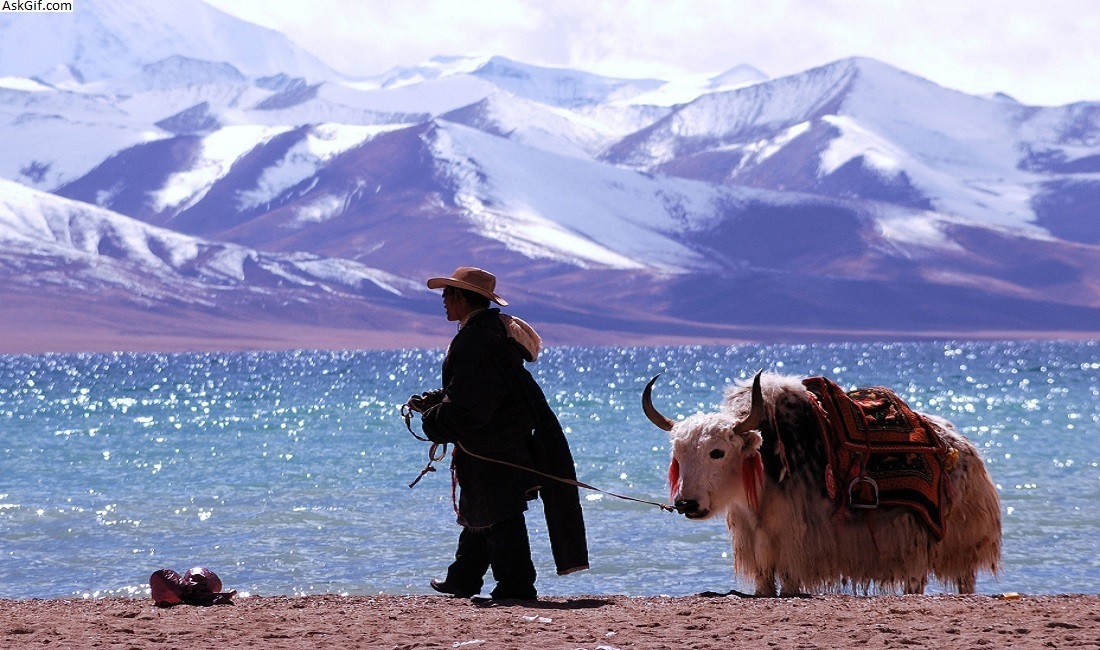
Every area has its own natural preservation and conservation mechanisms. For the Tibetan plateau, the nomads and their traditions and culture were the safeguards. The advent of the Chinese in the Tibetan land in 1959, not only led to the exploitation of natural endowments but also removal of Tibetan nomads. The resettlement was not properly addressed and their populace was restricted to small areas, preventing them from maintaining their livestock which has been their source of livelihood for generations. One of the last remaining agro-pastoral regions in the world has thrived because of their deep understanding of the grassland dynamics and veterinary knowledge possessed by these nomads maintaining a unique pastoral culture for more than 8,000 years. The Chinese policy of settling all Tibetan nomads forcibly in permanent structures by 2015 as a solution to environmental degradation has actually led to increased poverty, further environmental degradations, and social breakdowns. According to recent research, the true managers of alpine pastures can help restore the degraded grasslands and help maintain the wider biodiversity of indigenous grasses, herbs, and medicinally useful plants. The exclusion of the true guardians of this fragile ecosystem will only lead to irreparable damages, which the world cannot afford at the given stage.
The ever-growing Chinese dam-building ambitions have reduced the quantity and quality of water flowing to downstream countries and will continue to get worse if left unchecked, leading to the disappearance of glaciers and also, desertification of the water top of the world.
The unmonitored mining operations in the unique, resourceful, and rich geology have been another cause for degrading the environment. The opening up of his inaccessible area to foreign companies to mine and extract mineral resources has led to the violation of Tibetan people’s fundamental right to determine how their economic resources are to be utilized. Fuelling of the Chinese economy with the extraction of chromium, copper, salt, silver, gold, lithium, lead, zinc, asbestos, gas, magnesium, potash and uranium, at the enhanced risk of severe landslides, massive soil erosion and loss of wildlife habitat has led to protests by local residents.
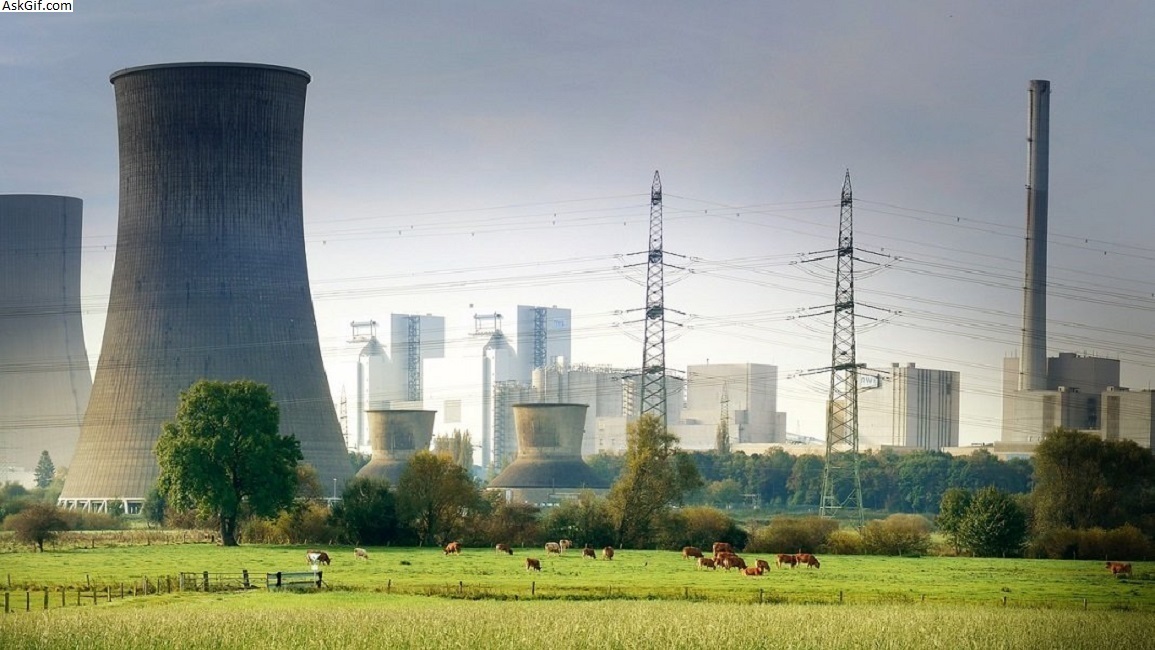
Tibet is today paying for the development posed for its autocratic rulers. The railways, the roadways, the infrastructure, series of dams, mining, in the fragile, seismically active area will one day crumble and succumb to the desert and that will have all the downstream population wailing. If the mouth of the river dries up, can the course be fertile, flowing, and perennial, will the delta be a factory of biodiversity? The world has to realize the impact that the Tibetan climate change will have over the entire continent, and hold the capitalistic ambitions of the rulers for a greener, better and healthier tomorrow and work sensibly towards longer life of the plateau.